
You face massive scheduling headaches when you manage modern building projects using old spreadsheet methods. Modern ai construction tools completely change how you plan daily operations and track heavy equipment on site. Both experienced project managers and engineering students gain a massive advantage when they master these new digital platforms.
Understanding The Modern Building Site
Data drives every single decision on a modern job site. You collect millions of data points every day through basic worker movements and equipment operations. Smart software sorts through this massive information pile to find hidden inefficiencies in your daily workflow.
You stop guessing about project timelines when algorithms analyze your past performance data. The system highlights exact bottlenecks in your supply chain long before they delay your concrete pour. This proactive approach saves your company thousands of dollars in lost labor hours.
How Algorithms Change Daily Operations
Site supervisors used to spend hours walking the perimeter to check daily progress. Now you deploy a single drone to scan the entire property in less than twenty minutes. The software compares today’s structural scan directly against the original digital blueprints.
You instantly see if a wall sits two inches off its planned center mark. Workers fix the framing mistake immediately instead of discovering the error during the final drywall phase. You avoid tearing down finished structures because the software catches human errors early.
Why Students Need To Learn These Systems
University engineering programs now push digital literacy right alongside traditional structural math. You walk into your first job interview with massive confidence when you already know how to operate smart project dashboards. Companies desperately want young talent who understand machine learning applications in heavy industry.
Core Software Categories For Engineers
You must understand the different types of smart applications available for your projects today. Some platforms handle strict budget predictions while others focus entirely on worker safety metrics. You build a powerful technology stack when you combine these different applications together.
Predictive Scheduling Platforms
Weather delays and material shortages constantly ruin your best project timelines. Predictive software analyzes decades of local weather patterns and global shipping data to adjust your daily schedule. You automatically text new shift times to your crew when the system detects an incoming storm.
Automated Site Surveying
You eliminate tedious manual measurements when you use laser scanning equipment connected to smart processors. The hardware captures a perfect three dimensional map of your raw land before you even break ground. You plan your foundation work with absolute certainty based on these precise topographic models.
Smart Budget Tracking
Human accountants struggle to track every single nail and wooden beam ordered across a multi year project. Financial algorithms scan hundreds of invoices daily to find billing errors and accidental double charges. You protect your profit margins because the system flags suspicious expenses instantly.
Generative Design And Blueprint Optimization
Architects completely change their creative process when they let computers suggest structural layouts. You feed basic requirements like local zoning laws and maximum occupancy limits directly into the engine. The software produces thousands of unique building shapes that match your exact parameters.
Moving Beyond Traditional Drafting
You save weeks of manual drafting time when the computer handles the basic geometric calculations. Your engineering team focuses entirely on aesthetics and usability instead of crunching basic load bearing numbers. You deliver final concepts to your clients much faster than competing firms.
Linking Systems For Better Results
You create a massive advantage when you connect different smart platforms together on your network. For example you generate the best possible results when you use ai for construction drawings alongside predictive budget software. The system immediately calculates the exact material cost for every new layout variation the computer suggests.
Robotics And Heavy Machinery On Site
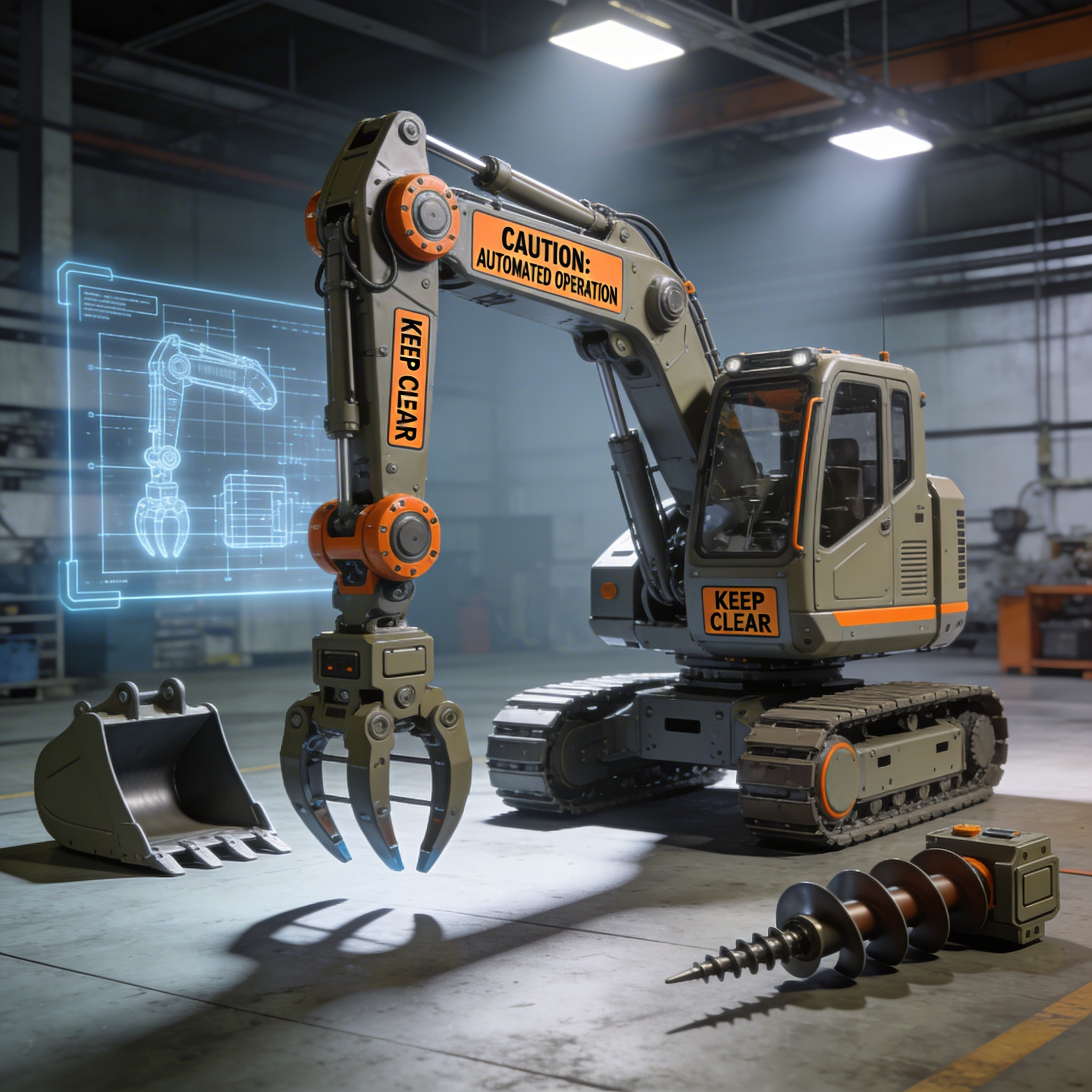
Software algorithms need physical machines to execute their complex site plans. Heavy equipment manufacturers now build smart sensors and autonomous navigation systems directly into their new bulldozers. You operate a much safer job site when robots handle the most dangerous manual tasks.
Autonomous Earth Moving Equipment
Excavators use advanced global positioning networks to dig foundation trenches with perfect millimeter accuracy. You program the exact depth requirements into the dashboard and let the machine handle the physical digging. Human operators step back and supervise multiple autonomous machines at the very same time.
Robotic Bricklaying And Assembly
Specialized robotic arms place standard bricks and concrete blocks twice as fast as human masons. The machine never takes a break and never suffers from basic muscle fatigue during long summer shifts. You maintain perfect structural consistency from the first brick all the way to the top floor.
Site Safety Monitoring Rovers
Small mechanical dogs patrol the lower levels of your project during the midnight hours. These smart rovers carry thermal cameras to detect overheating electrical panels or unauthorized trespassers. You sleep better knowing smart sensors watch your expensive equipment all night long.
Real Time Quality Control Systems
You risk your entire company reputation if a building fails a sudden municipal safety inspection. Smart software acts as your ultimate quality control manager every single day of the build. You guarantee high standards because algorithms never miss a misplaced steel rebar.
Computer Vision For Defect Detection
Camera networks feed live video streams directly into a central processing hub for instant analysis. The system recognizes the difference between a safe scaffolding setup and a dangerous structural hazard. You receive a text message alert the second a worker forgets to attach their high altitude safety harness.
Thermal Imaging Analysis
You use thermal cameras connected to smart software to check concrete curing temperatures. The algorithms tell you the exact moment the concrete reaches maximum structural strength. You safely remove the wooden support forms days earlier than traditional manual estimates allow.
Managing Supply Chains With Algorithms
Building materials cross multiple oceans and railway lines before they finally reach your job site. Global supply chains break down constantly due to unpredictable political events and severe weather. You need smart algorithms to navigate this massive logistical puzzle.
Predicting Material Shortages
The software reads global financial news and shipping logs to predict future lumber or steel shortages. You buy your critical materials months in advance when the system warns you about upcoming price spikes. You protect your original project budget while your competitors scramble to find expensive supplies.
Optimizing Delivery Routes
Heavy cement trucks waste expensive fuel when they sit in unexpected city traffic jams. Smart logistics software tracks live traffic patterns to route your delivery trucks through the fastest possible city streets. You keep your concrete pours completely on schedule because your materials arrive exactly on time.
The Financial Impact Of Smart Tech
Company owners always want to know if these expensive software licenses actually generate a real profit. The initial setup costs seem high but the long term financial returns absolutely justify the investment. You build a more profitable company when you eliminate manual guesswork.
Reducing Costly Rework Tasks
You lose massive amounts of money every time you have to tear down and rebuild a flawed wall. Smart scanning tools catch these structural mistakes on day one before the error multiplies across the entire floor. You protect your profit margin because your team builds things perfectly the very first time.
Lowering Insurance Premiums
Insurance providers love construction companies that heavily utilize automated safety monitoring systems. You prove your site has fewer accidents when you show the insurance agent your detailed computer logs. The provider lowers your monthly liability premiums because you present a much lower financial risk.
Environmental Benefits On Site
Modern builders face massive pressure from city governments to reduce their total carbon footprint. Smart algorithms help you build greener structures without sacrificing structural integrity or design aesthetics. You win more government contracts when you prove your commitment to sustainable building practices.
Cutting Down Material Waste
Traditional construction methods generate giant dumpsters full of wasted wood cuts and broken drywall. Generative planning tools calculate the exact amount of material you need down to the final inch. You stop throwing away expensive supplies because you only order exactly what the computer requires.
Optimizing Energy Use
Temporary heating and lighting systems drain massive amounts of electricity during winter projects. Smart sensors track worker movements and turn off high powered work lights in empty building sectors. You lower your monthly utility bills drastically while keeping active work zones perfectly illuminated.
How To Start Using These Platforms
You overwhelm your workers if you try to implement ten different software tools on the exact same day. You need a slow and steady deployment strategy to get your entire crew on board with digital changes. You achieve massive success when you focus on fixing one specific problem at a time.
Setting Up Your First Smart Project
You should pick a small commercial build to test your new digital scheduling software. Let your project managers run the traditional spreadsheet right alongside the new algorithm for the first month. You build internal trust when your team actually sees the computer predicting accurate results.
Training Your Field Crew
Field workers often reject new technology because they fear robots will eventually steal their heavy manual jobs. You must explain how these tools handle the dangerous tasks so humans can focus on complex finish work. You provide paid training hours so your crew learns the new dashboard without losing their regular wages.
Future Trends In Building Technology
The current generation of software tools represents just the absolute beginning of digital construction management. Laboratory researchers constantly develop faster processors and more accurate visual sensors for heavy industry applications. You dominate your local market for decades if you adopt these experimental technologies early.
Wearable Sensors For Workers
Smart hardhats monitor worker heart rates and core body temperatures during brutal summer heatwaves. The system forces a worker to take a water break before they suffer a dangerous heat stroke. You maintain a perfectly healthy crew even during the most demanding physical project phases.
Augmented Reality Overlays
Site supervisors currently use flat tablet screens to view digital models on the active job site. Soon your engineers will wear smart glasses that project the plumbing blueprints directly onto the empty dirt. You eliminate layout confusion because workers literally see the finished pipes glowing exactly where they need to dig.
Educational Disclaimer
This BuildTech website operates strictly for educational purposes to explore artificial intelligence in the modern building sector. All provided information serves as a learning resource for students and professionals interested in smart structures and digital workflows.
A favorite among graduate students and those tackling capstone projects. The writers from https://writepaper.com/writers here bring real research experience, delivering sophisticated analysis that goes beyond surface-level summaries.
